
Our Why
introduction
Across the United Kingdom, people are rediscovering the joy, wonder and fragility of our blue spaces — from open coastlines to estuaries, tidal rivers and sheltered bays. As a proud island nation, the sea has always shaped our heritage, our culture and our sense of place. These waters support our wellbeing, connect our communities and hold extraordinary wildlife found nowhere else on Earth.
Time spent near water is proven to lift mood, reduce stress and support healthier lifestyles, making these environments vital for both people and wildlife.
This guardianship exists because everyone deserves the knowledge, confidence and support to enjoy blue spaces responsibly. When people understand the wildlife and habitats around them, they naturally become protectors. Our shared purpose is simple: to make responsible enjoyment easy, to empower communities with clear guidance, and to ensure that future generations inherit thriving marine, coastal and estuarine environments that continue to enrich our health and wellbeing — and safeguard the wildlife whose habitat and home they are.
Foundations
Born on the cliffs at Bempton
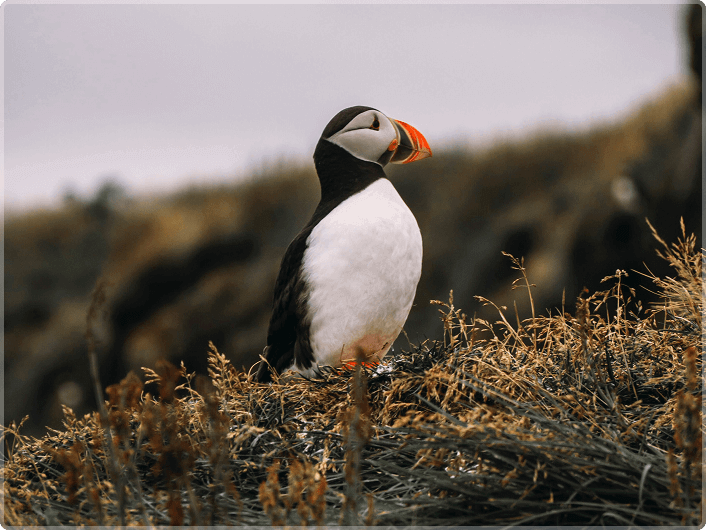
Born on the cliffs at Bempton, known as “Seabird City”, this shared guardianship grew from a simple truth: people protect what they understand. Watching hundreds of thousands of seabirds raise their young each spring, volunteers and local custodians saw how easily wildlife could be disturbed — often by people who simply didn’t realise the impact of their actions.
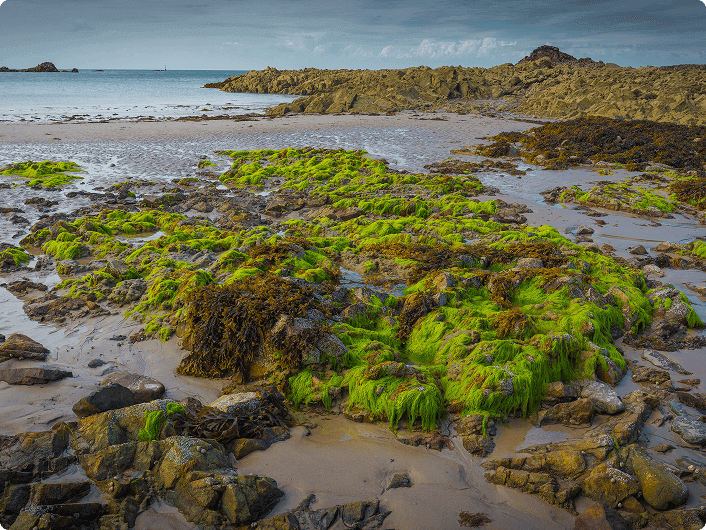
Early conversations on the cliff tops turned into a shared response. Along the North Sea coast, harbour teams, recreational users, coastal organisations and local families all recognised the same need: clear, kind guidance that helps people enjoy these places while giving wildlife the space it needs.
Those first efforts brought together many different voices, but a common purpose — to care for the coasts, estuaries and tidal waters that shape our island story. Born on the cliffs at Bempton and shaped along the North Sea coast, this shared guardianship now connects communities across the UK’s blue spaces.
Future
Scaling a shared guardianship
The next stage is about scale, sustainability and shared leadership. As we grow into a national Community Interest Company, our governance and asset-locked structure ensure that everything we do remains for public benefit — protecting wildlife, supporting communities and strengthening the UK’s coastal, marine and estuarine environments.
The Coastal, Marine & Estuarine Habitat and Wildlife Alliance C.I.C. underpins this work. As a not-for-profit organisation, it protects our mission, keeps our assets locked for community use and provides the foundation needed to grow, collaborate and secure long-term funding. It also supports the development of our private members collaboration hub, enabling shared learning and coordinated action across the UK’s blue spaces.
Key future objectives
- Strengthen a UK-wide volunteer network for coastal, estuarine and tidal guardianship
- Expand engagement and outreach to help more people feel confident and wildlife-aware
- Develop accessible training and educational resources for communities, schools, organisations and recreational users
- Grow alliances and partnerships, supported by the collaboration hub, ensuring consistent, science-led guidance nationwide
- Secure sustainable funding for long-term guardianship, digital infrastructure and community-led initiatives
- Support sustainable recreation and coastal livelihoods, balancing enjoyment with long-term habitat protection
Development
People protect what they understand
As guardianship grew along the North Sea coast, so did the need for a shared, accessible place where people could find clear guidance, learning and support for enjoying blue spaces responsibly.
Our pilot hub is the first step towards a UK-wide platform for coastal, marine and estuarine stewardship. It will bring together:
- clear, science-led guidance for wildlife-aware behaviour
- learning resources that build confidence around wildlife
- volunteer pathways and training opportunities
- tools for reporting, signposting and community support
- space for organisations to connect and collaborate
This phase is about strengthening the network, improving access to information and making guardianship something everyone can take part in — wherever they live, visit or work across our island nation.
Practical, science-backed resources
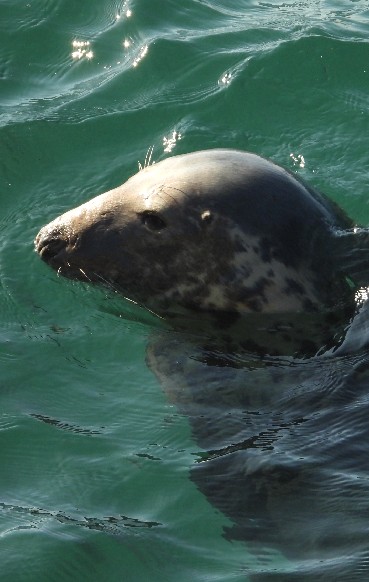
- Downloadable species guides covering seals, cetaceans, sharks & rays, seabirds and intertidal invertebrates
- Animated “Top 5 Wildlife-Wise Tips” translating the Marine & Coastal Wildlife Code into friendly, everyday actions
- Step-by-step advice on recognising disturbance, tide safety and reporting incidents
Interactive community tools
- A UK-wide Q&A bank that answers common visitor questions
- A live map showcasing 25 volunteer custodians active across beaches, estuaries and open waters
- A growing network of workshops, pop-up stands and micro-events in coastal towns and villages
Support for managers and decision-makers
We co-designed resource kits for
- Beach managers
- Estuary and harbour authorities
- Educators and community groups
These kits ensure that wherever you are in the UK, you’ll find consistent, trusted, science-backed guidance—and a path to support if you need it.
Behind the scenes, we’ve also begun prototyping sustainable merchandise, donation pathways and long-term funding mechanisms to keep local stewardship efforts thriving.
Get Involved
Be part of a growing national movement that protects our coasts, estuaries, and blue spaces through education, guardianship, and collective action. Every contribution — time, energy, or funding — helps us create safer shores for wildlife and more connected communities across the UK.